Homeowners in Seattle know how rain, wind, and moss can chew through a shingle roof. Asphalt shingles can last 18 to 30 years in the Puget Sound climate, but that spread depends on small habits that prevent leaks, rot, and premature aging. The following field-tested steps come from what local crews see on tear-offs in Ballard, West Seattle, Queen Anne, and Bellevue every week. They focus on practical maintenance and smart upgrades that pay off over time.
Keep gutters open and water moving
Seattle roofs fail early when water backs up. Overflow at the eaves forces water under shingles and into the fascia and soffits. A biannual cleaning schedule—late fall after the leaves drop and early spring—saves plywood and paint. In heavy tree zones like Ravenna or Lake City, quarterly service makes sense. Downspouts should discharge 4 to 6 feet from the foundation. Extensions are cheap and prevent ice sheets that pry at shingles during cold snaps on clear winter mornings.
A roofer will also look at drip edge and gutter hangers. Missing drip edge lets capillary action pull water behind the gutter and into the sheathing. Loose hangers change the pitch, so water pools and freezes. Simple fixes here can add years to the roof.
Trim back trees and moss pressure
Branches that touch the roof act like sandpaper in wind. Keep limbs 6 to 10 feet off the roof plane. This reduces abrasion, shade, and moss growth. In Madison Park or Seward Park where big firs loom, trimming every two to three years helps. Unshaded roof planes dry faster after rain, which slows granule loss and organic growth.
Moss shortens shingle life by lifting tabs and trapping moisture. Avoid pressure washing, which strips granules. Use a roof-safe moss treatment with zinc or potassium salts, applied on a dry day above 45°F. Granule loss looks like bare black spots and indicates aggressive cleaning or old age. If moss returns within months, look at airflow and shade, not stronger chemicals.
Ventilation and insulation: the quiet roof-saver
Most early shingle failures that crews see in Greenwood and Renton start from the attic. Poor ventilation bakes shingles from below in summer and feeds condensation in winter. The target is balanced intake at the soffits and exhaust at the ridge. A common rule of thumb is 1 square foot of net free vent area per 300 square feet of attic floor, split evenly between intake and exhaust, when a vapor barrier exists. Without a barrier, many pros use 1 per 150.
Tell-tale signs include rusty nail points, damp sheathing, frost on rafters in January, and a musty smell. Adding continuous soffit vents and a ridge vent lowers shingle temperature swings and reduces energy waste. Pair this with even attic insulation, usually R-38 to R-49 in the Seattle area. Do not block shingle roofers near me soffit vents with insulation; baffles maintain airflow.
Flashing first: where leaks start and end
Shingles shed water; flashing keeps water out at joints. Most leak calls in Queen Anne and Beacon Hill come from chimneys, skylights, sidewalls, and valleys. Step flashing at sidewalls should be layered shingle-flashing-shingle up the slope, with counterflashing cut into masonry where needed. Skylight curbs need clean, intact kits from the skylight maker.
Roof cement is a temporary patch, not a final fix. A tidy bead may stop a drip for a season, but UV breaks it down and the leak returns. If a leak reappears after every heavy rain, it is time for new flashing or a localized rebuild, not more sealant.
Seasonal roof checks that catch problems early
A quick look with a steady ladder twice a year prevents big bills. View the roof from the ground first with binoculars. Look for uneven lines, lifted tabs, missing ridge caps, and dark trails under downspouts. After a wind event on the Sound or a Pineapple Express, check again.
- Spring checklist: clear gutters, treat moss if present, inspect pipe boots, and confirm attic vents are clear. Fall checklist: remove debris from valleys, check flashing and sealant at penetrations, and trim nearby branches.
Pipe boot failure is common around year 8 to 12. Rubber dries out and cracks, especially on south atlasroofingwa.com shingle roof installation Seattle and west faces. Replacing a boot is fast and cheap compared to the drywall and insulation damage from a slow leak.
Smart upgrades that extend service life
Small upgrades at the right time help shingles last longer in a damp climate. Starter strip shingles along eaves and rakes improve wind resistance. Ice and water shield in valleys, around chimneys, and at low-slope sections stop wind-driven rain from backing under shingles. Seattle rarely has deep freeze-thaw cycles, but ice shield still earns its keep during cold, clear weeks followed by heavy rain.
Copper or zinc strips near the ridge release ions that stunt moss growth. On a 30 to 40 square roof, expect strips to add a few hundred dollars to a reroof or a service call. They work best when combined with better light and airflow.
If a roof is approaching mid-life, upgrading attic ventilation and adding intake can cool the roof deck and protect the new layer if a second roofing course is allowed by code and condition. Always confirm that the structure and sheathing can handle another layer; soft or delaminated plywood calls for a tear-off.
Watch granules and color changes
Granules protect the asphalt from UV. Some shedding in the first season is normal. What concerns roofers is consistent granule piles in gutters after every storm, bald patches, or uneven fading. Dark streaks can be algae. It is mostly cosmetic, but heavy growth holds moisture and signals shade. If shingles lose granules around blistered spots, heat or attic moisture may be at work.
A homeowner can expect an architectural shingle in Seattle to land in the 20 to 25 year range with normal maintenance. Three-tab shingles often retire earlier. High-wind zones near the water can shorten that window if installation was weak on nail placement or count. Four nails per shingle is common, but many brands specify six nails in high-wind areas; this small detail matters.
Repairs: do the small stuff before it becomes big
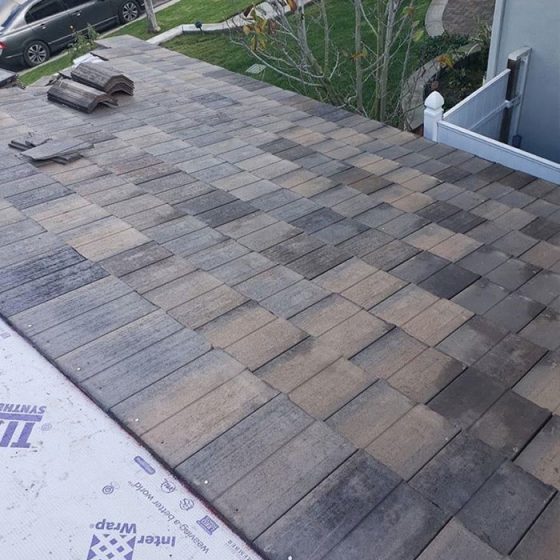
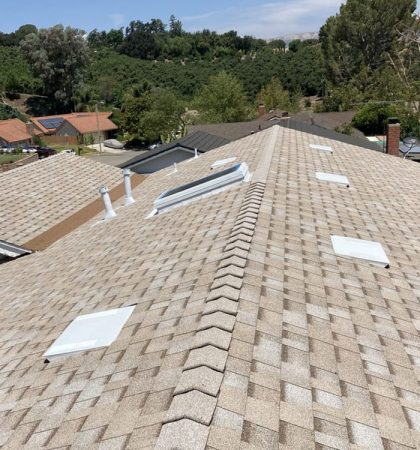
A few missing tabs after a southerly gale in Alki or Magnolia does not call for panic. Replace them quickly to prevent uplift on surrounding shingles. A loose ridge cap at the peak leads to leaks on both sides of the roof. Valleys that collect needles need regular clearing; trapped debris wicks water sideways.
Homeowners should avoid permanent work with roofing cement on active leaks. It traps moisture and tells the next crew nothing about the path of water. A qualified roofer will lift shingles, inspect felt or synthetic underlayment, and reset or replace materials with proper nailing and flashing.
Insurance and documentation help
Photos after each cleaning or wind event build a record. If a limb falls during a winter storm, before-and-after shots support a claim. Keep invoices for maintenance, moss treatment, and repairs. Adjusters see the difference between neglect and normal wear. A roof with obvious upkeep often gets a better outcome.
How local weather changes the plan
Seattle’s long wet season means roofs stay damp. Drying windows matter. Service calls should aim for mornings after a clear day, not mid-storm. Products have temperature ranges; adhesives may fail under 40°F, and moss treatments need dry time. In heat waves, shingles get soft, so foot traffic should be light and precise to avoid scuffs. Crews plan work by forecast, not just by calendar, and that protects the roof.
Lakefront homes see more wind and more driven rain. Homes under dense canopy deal with constant shade and debris. The maintenance plan adjusts: more frequent gutter service, earlier moss treatments, and closer attention to pipe boots and valley flashings.
When to call pros, and how to choose
A homeowner can handle gutter cleaning, small debris removal, and light moss management. Anything that involves ladders beyond a single story, steep slopes, skylights, chimneys, or active leaks belongs to a licensed roofer. Safety first.
For those searching shingle roofers near me in Seattle, look for a company that:
- Works daily in your neighborhood and knows local roof pitches, code, and weather patterns. Provides clear before-and-after photos for every repair. Explains flashing details and ventilation math in plain language. Offers maintenance plans with set seasonal visits. Stands behind repairs with documented warranties.
What Atlas Roofing Services does differently in Seattle
Atlas Roofing Services maintains and installs asphalt shingle systems across Seattle, from Ballard bungalows to new builds in South Lake Union. The crews check ventilation, flashing, and fasteners on every visit, not just the obvious moss and gutters. They install ridge vents and soffit intake where homes are light on airflow, and they use ice and water shield in valleys and around chimneys to prevent wind-driven rain leaks common in our storms.
Most homeowners ask first for a small fix. Atlas pairs quick repairs with practical guidance on maintenance timing, tree trimming schedules, and product choices that match the home’s exposure. A simple one-hour leak call often includes a full photo report and a plan that prevents repeat issues. That approach saves clients money and extends roof life without guesswork.
Residents searching for shingle roofers near me in Seattle can request a roof health check, a repair, or a full replacement estimate. Same-week visits are often available in peak season, and emergency tarping is on call during major storms.
Quick reference: what to do and when
- Clean gutters and downspouts: twice a year; quarterly under heavy trees. Treat moss: once a year as needed; avoid pressure washing. Inspect from the ground: after big storms and at spring and fall. Check attic: look for frost, damp sheathing, and blocked soffits every winter. Trim trees: every two to three years or when branches get within 6 to 10 feet.
A roof lasts longer when water moves off fast, shingles breathe from below, and metal handles the seams. That is the formula that works in Seattle. If any of these items feels overdue, a short visit from a local crew will reset the clock on your shingles. Contact Atlas Roofing Services to schedule an inspection or to book a repair today.
Atlas Roofing Services provides professional roofing solutions in Seattle, WA and throughout King County. Our team handles residential and commercial roof installations, repairs, and inspections using durable materials such as asphalt shingles, TPO, and torch-down systems. We focus on quality workmanship, clear communication, and long-lasting results. Fully licensed and insured, we offer dependable service and flexible financing options to fit your budget. Whether you need a small roof repair or a complete replacement, Atlas Roofing Services delivers reliable work you can trust. Call today to schedule your free estimate.
Atlas Roofing Services
Seattle, WA, USA
Phone: (425) 728-6634
Websites: https://atlasroofingwa.com | https://sites.google.com/view/roof-replacement-seattle/home
Social Media: Yelp
Map: View on Google Maps